Roman Descriptions of Moors and Picts in Britain
A Primary-Source Visual Dossier
How did Roman authors actually describe the people of ancient Britain—before modern racial frameworks existed?
This concise PDF examines how Roman writers, administrators, and later chroniclers categorized Britain’s early populations using the descriptive language of their time. Rather than modern reinterpretations, this work stays anchored in Roman terminology, observation, and classification systems, allowing the historical record to speak for itself.
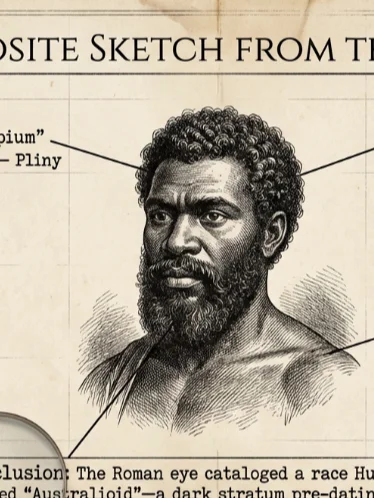
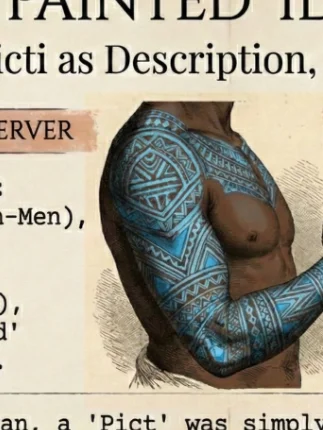
Using visual plates, quotations, linguistic analysis, and geographic continuity, the dossier traces how terms such as Mauri, Aethiopes, and Picti were applied—and how those descriptions persisted across centuries.
What’s Inside
-
Roman observational methods for cataloging physical difference
-
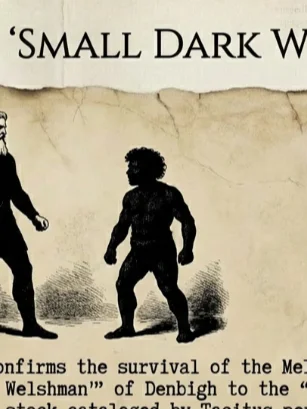
Primary descriptors used for Moors and Picts (skin tone, hair, stature, customs)
-
Visual breakdowns of Roman classification logic: observation → classification → correlation
-
Tacitus, Claudian, Gildas, and post-Roman continuity in language
-
The role of color terminology in Roman and early medieval Britain
-
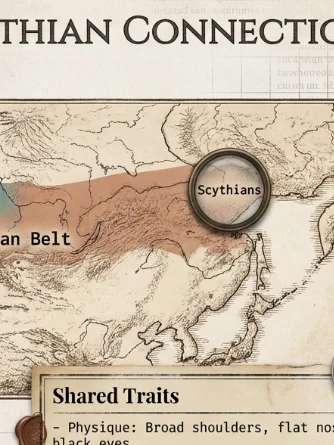
Maps and toponymy showing fossilized descriptors in the landscape
-
Clear distinction between descriptive labels and tribal identities
Why This Matters
Roman writers did not operate with modern racial concepts. They described what they saw—using comparative language tied to geography, color, and custom. This PDF provides essential context for understanding early Britain without modern distortion, making it a valuable companion for researchers, educators, and independent scholars.
Format
-
Digital PDF
-
Visually structured, easy to reference
-
Designed as a companion dossier to larger primary-source collections
-
Suitable for reading, citation, and visual study
Who This Is For
-
Independent researchers and historians
-
Readers interested in Roman Britain and early ethnography
-
Those studying pre-modern descriptions of identity and difference
-
Supporters of primary-source-based research
This publication is presented for educational and research reference and does not apply modern racial frameworks. All interpretations are grounded in historical sources and period terminology.